Table of Contents
- Historical Significance
- Artistic Applications
- Cultural Symbolism
- Modern Craft Uses
- Ethical Sourcing
- Conservation Efforts
- Conclusion
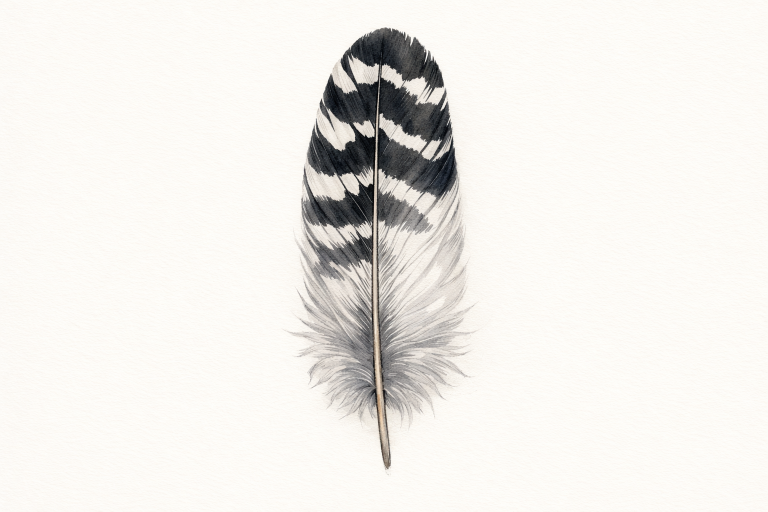
Silver pheasant feathers have enchanted artisans, naturalists, and historians for centuries with their delicate mix of striking black-and-white contrasts and graceful design. Artists and crafters worldwide are drawn to the beauty and unique structure of silver pheasant feathers, which originate from the majestic silver pheasant (Lophura nythemera). These feathers have inspired everything from ceremonial costumes to modern art, captivating those who value both tradition and innovation.
Because of their intricate details and bold appearance, silver pheasant feathers have provided a foundation for creative expression and cultural symbolism throughout history. Their versatility is evident in traditional textiles, ornate crafts, and ceremonial regalia. Whether woven into a historical tapestry or donned as a fashion accessory, these feathers bring a sense of refinement and heritage to any project or design.
Collectors and creatives alike often seek materials that connect them to nature and cultural heritage. The increasing popularity of silver pheasant feathers in modern crafts and fashion highlights a global appreciation for the rare combination of elegance and meaning they offer. These feathers are not only valued for their physical beauty but also for their ability to evoke stories of status, artistry, and tradition.
From historical uses in royal insignia to their contemporary presence in design studios, silver pheasant feathers offer more than visual delight. They represent a living link between past and present, symbolizing the deep relationship between humans and the natural world. Their journey through history reflects changing attitudes toward nature, artistry, and ethical sourcing.
Historical Significance
Across centuries and continents, silver pheasant feathers have been powerful emblems of status, refinement, and skilled artistry. In the imperial courts of Qing dynasty China, these feathers played a vital role in signifying the fifth civil rank on highly decorated badges and garments. The fine embroidery on these badges not only highlighted social standing but also embodied meticulous craftsmanship, using pearls and silk thread to recreate the distinctive pattern of the silver pheasant’s plumage for the elite. Museums like The Metropolitan Museum of Art carefully preserve these artifacts, highlighting their enduring significance.
This association with nobility and artistry followed the pheasant’s image throughout Asia, where it was often woven into ceremonial robes, epic tapestries, and courtly art. The allure of these feathers extended beyond ornamentation, representing lineage and cultural identity across multiple generations.
Artistic Applications
Silver pheasant feathers have long inspired artists who hoped to capture the bird’s dramatic effect and innate sophistication. In 18th-century Japan, for instance, renowned woodblock printmakers celebrated the silver pheasant’s beauty in iconic works that still resonate with collectors and curators today. A prime example appears in the work “Silver Pheasant (Hakkan),” which elegantly frames the bird’s striking features through careful composition and color. The feather’s pattern not only becomes a technical challenge for the artist but also serves as a central motif that captivates audiences.
Feathers from the silver pheasant have also appeared in Western decorative arts, particularly in Victorian-era millinery and textile arts, where their contrasting colors brought a natural drama to hats, embroidery, and fans. Their enduring presence attests to their universal appeal and cross-cultural resonance.
Cultural Symbolism
Throughout many cultures, feathers are deeply symbolic, often representing freedom, strength, or other spiritual ideas. Silver pheasant feathers, with their refined appearance, have been especially associated with purity, nobility, and transformation. Their placement in ceremonial attire and traditional dance regalia marks rites of passage, achievements, and connections to ancestral stories.
Because of their unique visual impact, silver pheasant feathers often symbolize the balance between light and shadow, a theme that recurs in folklore and visual arts alike. Whether as part of a costume for a sacred celebration or as a motif in an heirloom tapestry, their meaning extends far beyond the physical, reaching into the cultural psyche.
Modern Craft Uses
In contemporary art and design, silver pheasant feathers are embraced for their versatility. Fly fishing enthusiasts covet these feathers for making durable, visually attractive lures that mimic the movement and appearance of natural prey. Their flexibility and patterning provide both practical and artistic advantages, helping anglers entice a wider range of fish.
Meanwhile, fashion designers and milliners incorporate silver pheasant feathers into high-end collections, bringing organic shapes into the world of couture. Crafters working with jewelry, home décor, or costuming also find these feathers ideal for both understated accents and statement pieces, bridging traditional inspiration with modern aesthetics.
Ethical Sourcing
As silver pheasant feathers gain popularity, ethical sourcing is critical. Responsible harvesters prioritize humane practices and sustainability, ensuring that populations remain healthy and habitats are protected. As demand grows, consumers are encouraged to support reputable suppliers who make conservation a core value, contributing to the longevity of both species and craft traditions. Numerous organizations provide guidelines and certifications for ethical sourcing, ensuring transparency in the feather trade. For further details about sustainability in the feather industry, major publishers such as National Geographic provide in-depth reports.
Conservation Efforts
Efforts to protect the silver pheasant and its habitat are more crucial than ever. Conservation groups and local governments work tirelessly to preserve natural environments, re-establish populations, and educate the public about the interconnectedness of wildlife and human activity. Positive signs, such as recent sightings in rural Fujian Province, China, highlight the progress made through dedicated habitat conservation and responsible stewardship. These achievements demonstrate the importance of community involvement and international cooperation in protecting threatened species.
Conclusion
Silver pheasant feathers are more than beautiful adornments. They are powerful symbols connecting art, culture, and nature. Their journey from ancient regalia to modern crafts demonstrates their enduring significance and universal appeal. As interest in these stunning feathers continues to grow, careful attention to ethical sourcing and conservation efforts is essential. By cherishing their story and supporting sustainable practices, today’s collectors, artists, and cultural stewards ensure that the legacy of the silver pheasant endures for generations to come.