Sleep apnea, a condition characterized by interruptions in breathing during sleep, can disrupt rest and affect overall health. While some treatments are well-known, dentists also play a role in helping manage sleep apnea with oral appliances. These customized devices provide an alternative option and can help improve airflow during sleep. Here is how these devices work, the steps dentists take to provide them, and their potential benefits for sufferers:
What Are Custom Oral Devices?
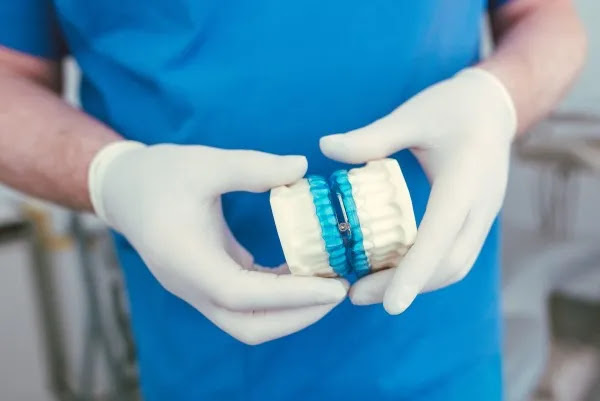
Custom oral devices are small, adjustable devices designed to be worn inside the mouth during sleep. These devices work by repositioning the jaw and tongue to prevent airway obstruction, which reduces interruptions in breathing. They are typically created using impressions of the patient’s teeth to enable a precise, comfortable fit. Dentists focus on the mechanical adjustments of the jaw to address mild to moderate obstructive sleep apnea, as well as snoring.
How Do Dentists Create These Devices?
The process of creating and fitting a custom oral device for sleep apnea begins with an evaluation. A dentist trained in dental sleep medicine works closely with the patient to assess their individual needs and determine if this option suits them. Here is how the process usually goes:
- Consultation and Assessment – During the initial consultation, the dentist reviews the patient’s medical history and discusses their symptoms. The dentist may collaborate with a sleep specialist or ask for the report of a sleep study to confirm the diagnosis.
- Taking Dental Impressions – Once assessed as a candidate for a custom oral device, the dentist takes detailed impressions of the patient’s teeth and jaw. These impressions help create a custom-fit appliance that aligns with the patient’s specific anatomy.
- Device Fabrication and Fitting – The impressions are sent to a specialized lab, where technicians create the custom device. After the device is complete, the dentist checks that the appliance fits comfortably and provides guidance on how patients should use and care for it.
What Are the Benefits?
Custom oral appliances offer multiple advantages for individuals with mild to moderate sleep apnea. The compact design and tailored fit make them a practical choice for many. Here are a few key benefits:
- Non-Intrusive Design – Unlike CPAP machines, oral appliances do not involve bulky equipment or masks. Their portability makes them convenient, especially for individuals who travel frequently.
- Improved Comfort – Since these devices are custom-made based on the patient’s unique dental impressions, they provide a snug, secure fit that minimizes discomfort during sleep. This contributes to higher compliance rates compared to other devices.
- Quieter Therapy Option – Oral appliances operate silently, unlike CPAP machines that create noise. This can lead to a more peaceful environment for both the individual and their sleeping partner.
By directly addressing airflow and supporting the jaw’s position, these devices can alleviate the symptoms of sleep apnea and help patients achieve a better sleep experience. They also provide an effective alternative for individuals who find it difficult to use CPAP machines consistently.
Get Help With Sleep Apnea
Dentists play an active role in managing apnea symptoms through custom oral appliances. By using devices tailored to the patient’s specific needs, dentists aim to enhance comfort, improve airflow, and reduce the challenges associated with sleep apnea. With expert guidance, patients can explore this alternative and determine if it suits their situation.