Owning a home swimming pool has long been considered a luxury reserved for those with deep pockets. Between excavation costs, extensive plumbing, and ongoing maintenance expenses, traditional pool installations can easily drain a homeowner’s budget before the first swim. But what if you could enjoy the full swimming experience in a fraction of the space and at a significantly lower cost? Jet swimming pools have emerged as a modern alternative that delivers serious aquatic fitness and recreation without demanding a massive backyard or a six-figure investment. These compact systems use powerful currents to let you swim continuously in place, transforming even modest spaces into effective training environments. At the heart of making this solution truly affordable is the P Series swimming equipment, engineered to balance performance with cost efficiency. In this guide, we’ll walk through everything you need to know about achieving a budget-friendly jet swimming pool installation—from understanding the technology and selecting the right equipment to executing the project and managing long-term costs.
Understanding Jet Swimming Pools and Their Benefits
A jet swimming pool is a compact aquatic system that uses powerful swim jets to generate a continuous current, allowing swimmers to stroke in place against flowing water. Rather than needing a full-length lap pool spanning 25 meters or more, homeowners can achieve an equivalent workout in a pool as small as 12 to 15 feet long. The jets produce an adjustable stream that simulates open-water conditions, making these pools ideal for fitness training, rehabilitation, and recreational swimming alike.
The benefits extend well beyond space savings. Jet swimming pools typically hold a fraction of the water volume required by traditional pools—often just 2,000 to 5,000 gallons compared to 20,000 or more for conventional designs. This dramatically reduces water consumption, chemical usage, and heating costs. Their enclosed or semi-enclosed configurations also make year-round swimming feasible, even in cooler climates, without the expense of heating a massive body of water. Compared to traditional pool installations that demand extensive excavation, complex plumbing networks, and large filtration systems, jet pools simplify every aspect of ownership. The swimming equipment involved is more streamlined, the footprint is manageable for suburban or even urban properties, and the overall investment from construction through daily operation remains substantially lower while delivering a genuinely effective swimming experience.
Exploring Swim Jets and the P Series: Latest Swimming Equipment
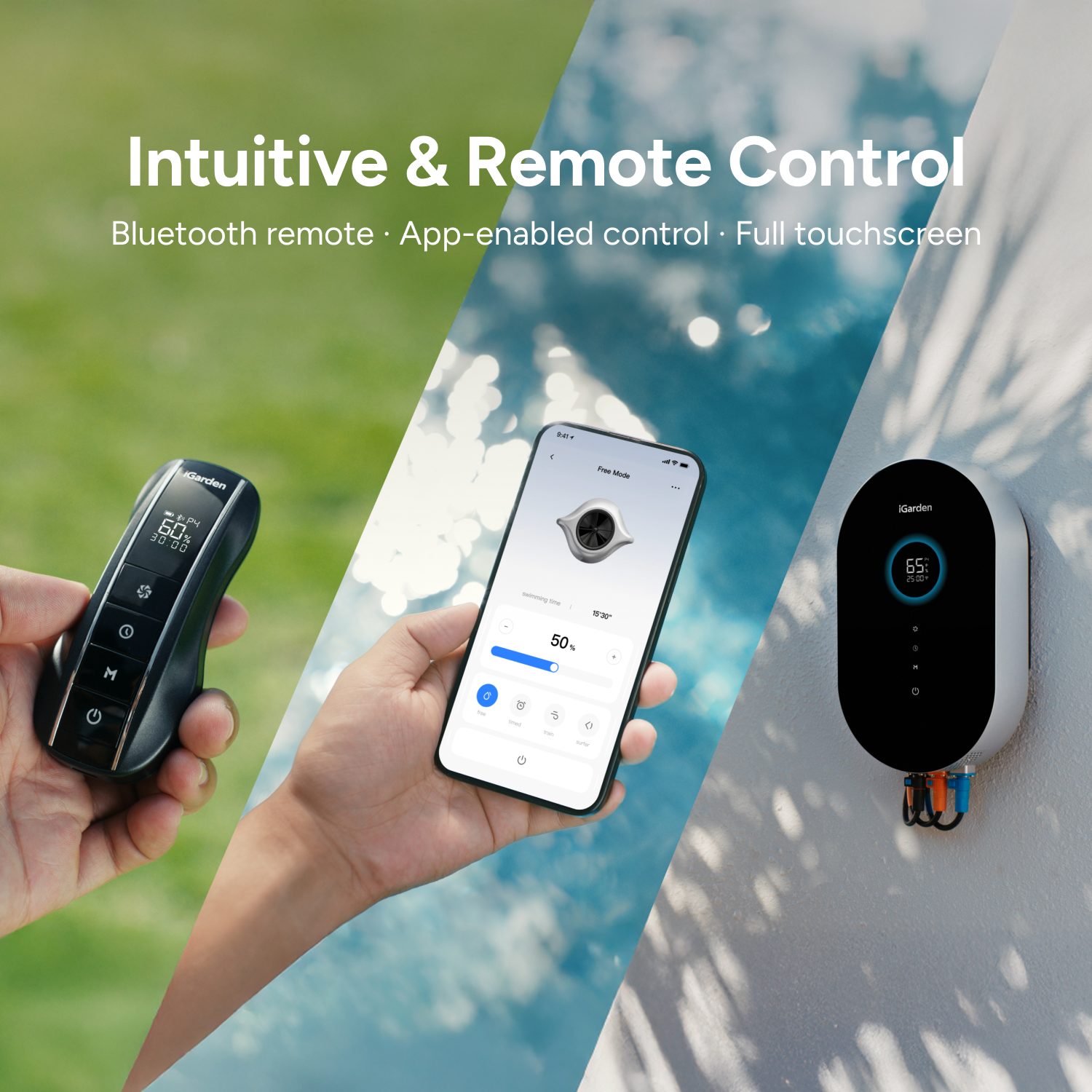
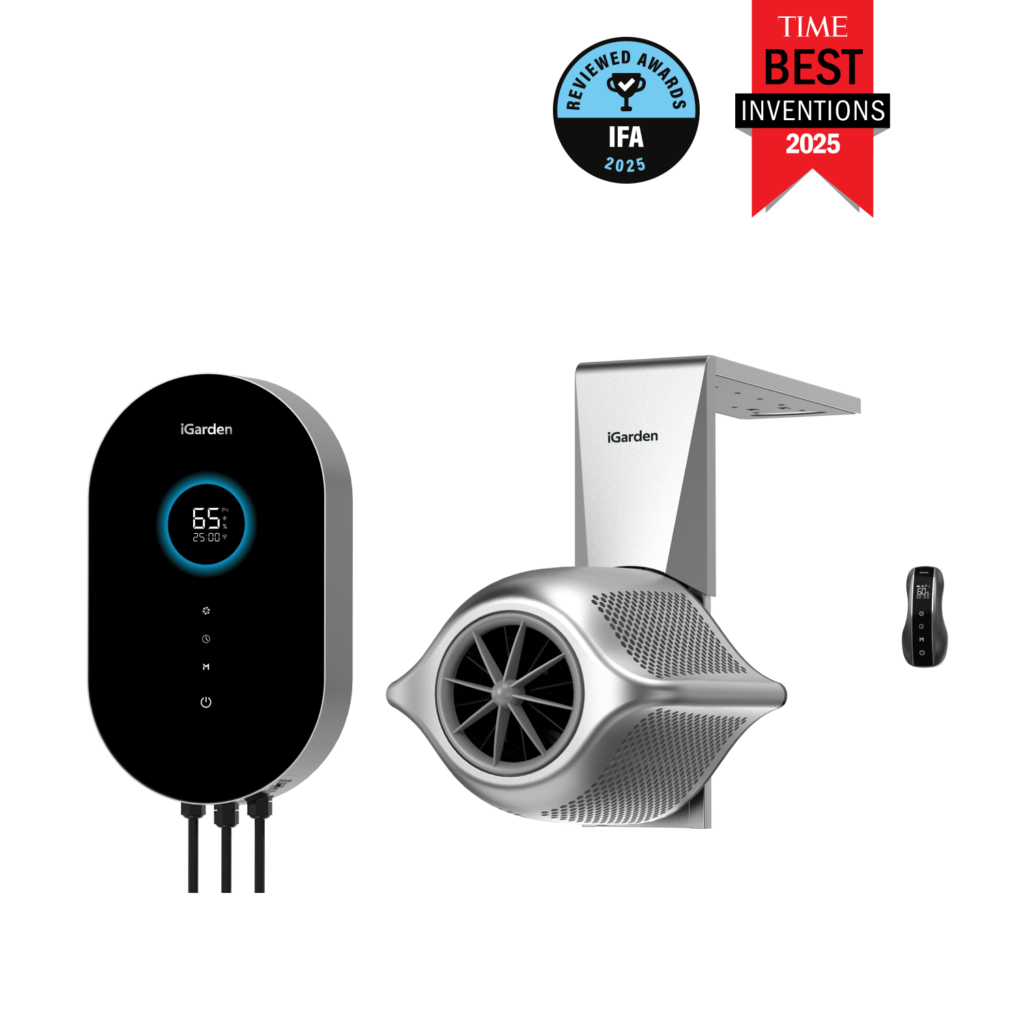
Swim jets function as the engine behind any jet swimming pool, generating a smooth, powerful current that allows swimmers to maintain a continuous stroke without ever reaching a wall. Unlike older propeller-based systems that create turbulent, uneven water flow, modern swim jets deliver a wide, laminar stream that closely mimics the feel of swimming in open water. The strength of this current can typically be adjusted to accommodate everyone from beginners working on technique to competitive athletes pushing through high-intensity interval sessions. The P Series represents the latest evolution in this swimming equipment category, engineered specifically to address the concerns of cost-conscious homeowners who refuse to compromise on quality. These units feature energy-efficient motors that consume significantly less electricity than older jet systems, durable construction materials rated for years of continuous operation, and intuitive controls that require no technical expertise to operate. The design philosophy behind the P Series prioritizes straightforward integration—whether you’re building a new compact pool or retrofitting an existing one, the equipment adapts without requiring extensive structural modifications.
Why the P Series Stands Out for Homeowners
What distinguishes the P Series from competing swim jet systems is its deliberate focus on residential practicality. The lineup includes multiple configurations scaled to different pool dimensions and swimmer profiles, so homeowners aren’t forced into oversized equipment that wastes energy or undersized units that deliver a weak current. Each model incorporates variable-speed pump technology, which means the system draws only the power needed for your selected intensity level rather than running at full capacity constantly. This alone can reduce electricity costs by 40 to 60 percent compared to single-speed alternatives. Installation simplicity is another defining advantage—P Series units are designed with standardized plumbing connections and compact housings that fit within standard equipment rooms or even outdoor enclosures. Homeowners who already have a small pool or plunge pool can often integrate P Series jets without major renovation work, turning an underused backyard feature into a fully functional swim training station. The combination of low acquisition cost, minimal installation complexity, and reduced ongoing energy demands makes this equipment the most accessible path to owning a legitimate jet swimming pool.
Step-by-Step Guide to Affordable Jet Swimming Pool Installation
Turning the concept of a jet swimming pool into reality doesn’t require a construction management degree or an unlimited budget. With careful planning and the right equipment choices, homeowners can navigate pool installation methodically while keeping expenses firmly under control. The following steps break down the process into manageable phases that prioritize both affordability and quality results.
Step 1: Initial Assessment and Planning
Before any equipment is purchased or ground is broken, take an honest inventory of your available space, budget ceiling, and intended use. Measure the area where your pool will sit—remember that jet swimming pools can function effectively in spaces as compact as 8 by 15 feet, including surrounding decking. Consider whether you want an indoor or outdoor installation, as this affects ventilation, heating requirements, and permitting. Set a realistic budget that accounts for construction, equipment, electrical work, and a 10 to 15 percent contingency for unexpected costs. Consulting with a pool professional during this phase, even briefly, can prevent costly design mistakes and help you understand local building codes and permit requirements that apply to your property.
Step 2: Selecting the Right P Series Equipment
Choosing the correct P Series model depends on three primary factors: your pool’s water volume, the swimming intensity you require, and available electrical capacity. Smaller household pools under 3,000 gallons pair well with entry-level P Series units that deliver sufficient current for recreational swimming and moderate fitness work. Serious athletes or families wanting stronger resistance should consider mid-range configurations that offer broader speed ranges without jumping to commercial-grade power demands. Match the jet output to your pool dimensions—an oversized unit in a small pool creates excessive turbulence, while an undersized system leaves experienced swimmers wanting more resistance. Reviewing the P Series lineup with your pool dimensions in hand ensures you invest only in the capacity you’ll actually use.
Step 3: Execution and Professional Installation Tips
Once planning is complete and equipment is selected, installation moves into the physical execution phase. Pool shell construction or preparation can often incorporate DIY elements—homeowners comfortable with basic construction can handle site preparation, backfill work, and cosmetic finishing to reduce labor costs significantly. However, plumbing connections, electrical wiring, and the actual jet integration should involve licensed professionals to ensure safety and code compliance. Schedule electrical and plumbing work simultaneously when possible to avoid paying tradespeople for multiple site visits. P Series units arrive with detailed installation guides and standardized fittings that reduce professional labor time, often allowing complete jet system integration within a single day. Testing the system thoroughly before finalizing any surrounding construction ensures everything performs correctly and avoids expensive rework later.
Cost Analysis and Affordable Options for Homeowners
Understanding the full financial picture of a jet swimming pool installation helps homeowners make confident decisions and avoid budget surprises. The total investment breaks down into several categories: pool shell construction or modification, P Series equipment acquisition, professional labor for plumbing and electrical work, permits and inspections, and finishing elements like decking or enclosures. For most residential projects using the P Series, the complete installed cost falls significantly below what a traditional lap pool demands, largely because the reduced footprint means less excavation, fewer materials, and shorter construction timelines. Beyond the upfront investment, the P Series contributes to affordability through its operational efficiency—lower electricity consumption, reduced chemical needs due to smaller water volumes, and minimal mechanical maintenance translate into monthly savings that compound year after year. Homeowners looking to stretch their budgets further should explore strategies such as scheduling installation during off-peak seasons when contractors offer competitive rates, purchasing equipment packages that bundle jets with compatible filtration components, and phasing cosmetic upgrades over time rather than completing everything at once.
Comparing Installation Costs: Jet Pools vs. Traditional Pools
A conventional in-ground lap pool typically requires substantial excavation, reinforced concrete or fiberglass shell construction, extensive plumbing runs, large-capacity filtration, and significant landscaping restoration—collectively pushing total costs into a range that excludes many middle-income families. A jet swimming pool built around P Series equipment compresses nearly every line item. The smaller shell requires less digging and fewer construction materials. Plumbing is simpler because water circulates through a more contained system. Filtration and heating equipment can be downsized to match the reduced water volume. When you factor in long-term expenses over a ten-year ownership period—including water, chemicals, energy, and repairs—jet pool owners typically spend a fraction of what traditional pool owners invest annually. The gap widens further in climates where heating costs dominate, since warming 3,000 gallons costs dramatically less than conditioning 20,000 or more.
Maximizing Savings with P Series Features
Several engineered characteristics of the P Series directly reduce what you’ll spend month to month. Variable-speed motor technology allows the system to operate at lower power draws during casual swimming sessions, consuming full energy only when maximum resistance is selected. This adaptive consumption prevents the waste inherent in single-speed systems that run at peak power regardless of demand. The units also feature corrosion-resistant components and sealed bearing assemblies that extend service intervals, meaning fewer replacement parts and less frequent technician visits over the equipment’s lifespan. Integrated diagnostic indicators alert homeowners to minor issues before they escalate into expensive repairs, supporting a proactive maintenance approach rather than reactive emergency fixes. Together, these design choices ensure that the P Series doesn’t just cost less to buy—it costs meaningfully less to own across every year of operation.
Maintenance and Long-Term Enjoyment of Your Jet Swimming Pool
One of the most appealing aspects of owning a jet swimming pool equipped with P Series technology is how little ongoing effort it demands compared to traditional pools. Weekly maintenance typically involves checking water chemistry, cleaning the filter, and inspecting jet nozzles for debris—tasks that take roughly 20 to 30 minutes. The smaller water volume means chemical adjustments are minor and inexpensive, and the contained circulation system reduces the likelihood of algae buildup or contamination that plagues larger, open pools. P Series components are engineered with sealed housings and corrosion-resistant materials, so mechanical upkeep rarely extends beyond occasional lubrication and annual professional inspections. Homeowners who integrate their pool equipment with smart home platforms like iGarden can further streamline maintenance by monitoring water temperature, pump status, and energy consumption remotely, receiving alerts when attention is needed.
Beyond the practical simplicity, the long-term rewards of your investment compound steadily. Regular swimming against jet resistance delivers cardiovascular conditioning, joint-friendly exercise, and stress relief that can reduce healthcare costs over time. Properties featuring well-maintained swim-in-place pools consistently attract buyer interest, adding tangible value when it comes time to sell. The P Series equipment maintains its performance characteristics across years of daily use, meaning the swimming experience you enjoy in year one remains equally satisfying in year ten. By committing to a straightforward maintenance routine and using equipment built for longevity, homeowners protect their initial investment while gaining a lifestyle asset that serves fitness, relaxation, and family enjoyment for decades.
Your Path to an Affordable Home Swimming Experience
The dream of owning a home swimming pool no longer requires sacrificing financial stability or dedicating an entire backyard to construction. Jet swimming pools represent a practical evolution in residential aquatics—delivering genuine swimming performance within a compact footprint that suits suburban homes, urban properties, and modest budgets alike. The P Series swimming equipment sits at the center of this accessibility, offering energy-efficient operation, straightforward installation compatibility, and long-term durability that keeps ownership costs low year after year. By following a structured approach—assessing your space and budget honestly, selecting the right equipment configuration, and combining strategic DIY efforts with professional expertise where it matters—homeowners can complete their pool installation without financial strain. The ongoing savings in energy, water, chemicals, and maintenance further separate jet pools from traditional alternatives, making the total cost of ownership remarkably manageable. Whether your goal is daily fitness training, family recreation, or simply the pleasure of swimming at home whenever you choose, the combination of jet pool technology and P Series equipment puts that reality within reach. Take the first step by evaluating your available space and exploring the P Series lineup—an affordable, high-quality swimming experience is closer than you think.