Auto Mains Failure: What It Is and How AMF Works in the US
Auto mains failure, often called AMF, is a system that starts a backup generator when the main power supply fails. In other words, it watches the utility power, and it takes action the moment that power drops out. As a result, homes and businesses can keep lights, heat, and key equipment running during an outage.
In the United States, this setup is common in homes with standby generators, small businesses, farms, and clinics. For example, a storm can knock out power for hours, yet an AMF panel can bring a generator online in seconds. This guide explains what auto mains failure means, how AMF works, and when it is worth the cost.
What Is Auto Mains Failure?
Auto mains failure means the automatic response to a loss of mains power. The mains supply is the normal utility power that comes into a building. When it fails, an AMF panel senses the drop in voltage or the loss of a phase.
Next, the panel sends a start signal to the generator. Then the generator warms up, reaches a stable speed, and takes over the load through a transfer switch. In short, the system does the job a person would do by hand, but it does it faster and without anyone being present.
Do not confuse AMF with a simple manual switch. A manual switch needs someone to start the generator and move the switch. In contrast, AMF is automatic from start to finish.
How an AMF Panel Works, Step by Step
An AMF panel is the control unit at the heart of the system. First, it monitors the mains supply all the time. Second, it checks the generator and the battery that starts it. Third, it controls the transfer switch that moves the load between mains and generator power.
Here is the normal sequence:
- Mains power fails, and the panel detects the loss within seconds.
- After a short delay, the panel sends a start signal to the generator.
- Once the generator is stable, the transfer switch moves the load to generator power.
- When mains power returns and stays stable, the panel moves the load back.
- Finally, the generator runs for a cool-down period, then it stops.
That delay matters. It stops the generator from starting for a very short flicker. It also gives the utility time to come back on its own. For background on backup power, see Emergency power systems on Wikipedia.
Auto Mains Failure vs a Manual Transfer Switch
A manual transfer switch is cheaper and simpler. However, it needs a person at home, awake, and able to start the generator. That is a problem if the outage happens at night, at work, or while you are away.
An AMF system costs more, but it works on its own. In addition, it can protect freezers, medical devices, sump pumps, and internet gear without a delay. For a home with a well pump or a person who uses powered medical equipment, that speed can matter a lot.
Use this quick guide:
- Pick a manual switch if you are often home, your budget is tight, and a short outage is not a big risk.
- Pick auto mains failure if you need power at once, you travel often, or a loss of power would cause damage or a safety risk.
- Ask a licensed electrician to size the generator and the switch for your real load, not just a guess.

Where Auto Mains Failure Is Used in the US
US homes use AMF with standby generators that run on natural gas or propane. Small businesses use it to keep point-of-sale systems, refrigeration, and lights on. Farms use it for milking, ventilation, and water pumps.
Hospitals, data centers, and water plants use larger, more complex systems. Their rules are stricter, and they often need testing and records. In addition, many US states follow the National Electrical Code for generator installs. Check the National Fire Protection Association for code and safety guidance, and check your local rules too.
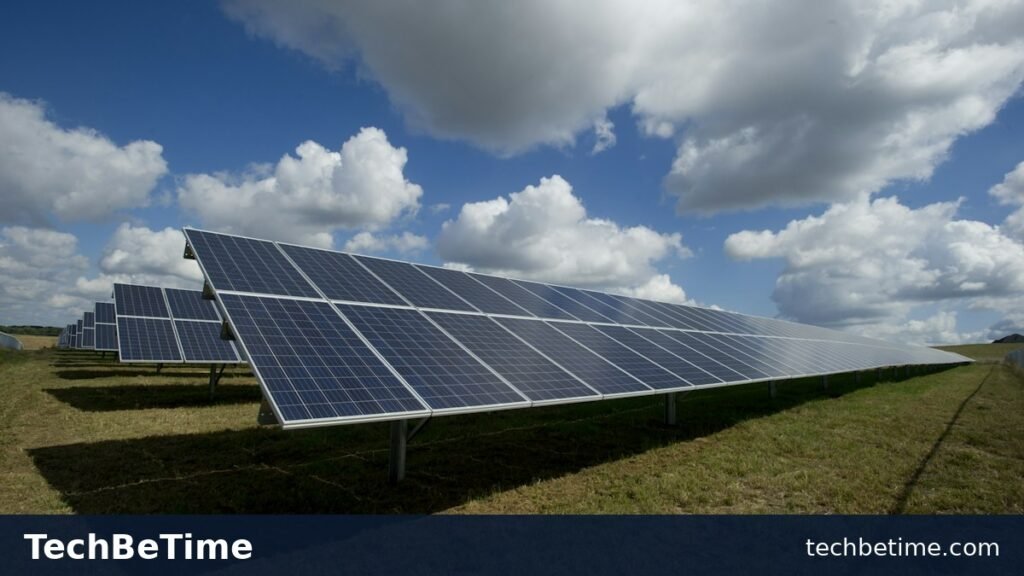
Solar and battery systems can work with AMF too. Learn more in our guide to Best Lithium Batteries for Solar Energy Storage. A solar array alone does not always power a home during a grid outage, so the full setup needs careful design.
Costs, Sizing, and Safety
Costs vary widely. A small portable setup costs far less than a whole-home standby system. In addition, the generator size, fuel type, transfer switch, wiring, and permits all change the price. Get at least two written quotes from licensed installers in your area.
For sizing, list the loads you must run, such as heat, refrigeration, a well pump, and medical gear. Then add the loads you would like to run, such as lights and internet. A good installer will size the generator for the must-run list first.
Safety comes first. Never run a generator inside a home or garage, because exhaust can kill. Keep it outside, away from windows and doors. In addition, never back-feed power into the grid. A proper transfer switch, fitted by a licensed electrician, stops that danger. See Generac for examples of home standby systems and safety notes.
Auto Mains Failure: Key Takeaways
Auto mains failure is the automatic start of a backup generator when utility power fails. First, an AMF panel detects the loss. Next, it starts the generator. Finally, it moves the load back to mains power when the utility supply is stable again.
In short, AMF is worth it when power loss would cause damage, a safety risk, or a big loss of income. For a simple home with short outages, a manual setup may be enough. Either way, use a licensed electrician, size the system for your real loads, and test it on a regular schedule.
Note: This article is general information, not electrical advice. Generator work involves high voltage and fuel. Always use a licensed electrician and follow local codes.
Conclusion
Auto mains failure, or AMF, is the automatic start of a backup generator when utility power fails, and it protects freezers, medical devices, sump pumps, and internet gear without delay. A manual switch is cheaper and simpler, but it needs a person at home, awake, and able to start the generator, so it is a poor fit at night, at work, or while away. AMF is worth the cost when power loss would cause damage, a safety risk, or a big loss of income, while a simple home with short outages may manage with a manual setup. Whatever you choose, use a licensed electrician, size the generator and switch for your real loads, and test the system regularly.
Frequently Asked Questions
What is auto mains failure?
Auto mains failure, often called AMF, is the automatic response to a loss of mains power. The panel detects the loss within seconds, starts the backup generator, and the transfer switch moves the load to generator power. When mains power returns and stays stable, the load moves back and the generator runs for a cool-down period, then stops.
Is AMF better than a manual transfer switch?
An AMF system costs more, but it works on its own and protects freezers, medical devices, sump pumps, and internet gear without delay. A manual switch is cheaper and simpler, but it needs a person at home, awake, and able to start the generator, so it is a poor fit at night, at work, or while away.
What can I use with an AMF system?
US homes use AMF with standby generators that run on natural gas or propane, and small businesses use it to keep point-of-sale systems, refrigeration, and lights on. Farms use it for milking, ventilation, and water pumps, and solar and battery systems can work with AMF too.
Is it safe to run a generator during an outage?
Never run a generator inside a home or garage, because exhaust can kill, and keep it outside, away from windows and doors. Never back-feed power into the grid, and use a proper transfer switch fitted by a licensed electrician to stop that danger.