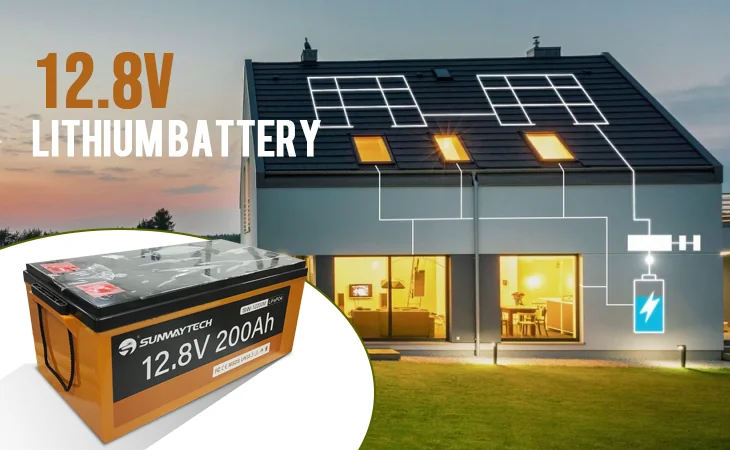
In recent years, solar battery banks have been one of the fastest-growing aspects of the solar power industry. More and more people are opting to add solar battery banks to their system designs, whether they’re installing a new one or upgrading an existing setup. Lithium batteries have become the preferred battery choice for those who want solar energy storage, primarily due to their longer lifespans, higher efficiency, and lower maintenance needs when compared to traditional lead-acid batteries. But not all lithium batteries are the same. Keep reading to learn about the different types of lithium batteries and how they perform in a solar battery bank.
Lithium Iron Phosphate (LiFePO4)
Lithium iron phosphate (also called LiFePO4 or LFP) batteries have become a very popular option for solar energy storage. They offer excellent thermal stability, making them one of the safest lithium battery chemistries on the market. Their long lifespan allows them to exceed 6,000 charging cycles, making them reliable for many years. They’re also able to handle deep discharges without significantly impacting battery life. While they do have a slightly lower energy density (meaning the batteries tend to be slightly larger), their safety, durability, and longevity make them a great choice for solar banks.
Lithium Nickel Manganese Cobalt (NMC)
Lithium nickel manganese cobalt (or simply NMC) batteries provide a higher energy density than LiFePO4 batteries. This means they can store more energy in a smaller and lighter package, making them a common choice in electric vehicles and in setups where space is limited. This can be a benefit if you don’t have much room for a full-sized battery bank. However, you should be aware that they have shorter cycle lives than LiFePO4 batteries and need a more sophisticated battery management system to stay within safe operating temperatures. However, if space is a major concern, so long as you’re prepared, they can be an excellent choice.
Lithium Titanate (LTO)
Lithium titanate (LTO) batteries are known for their exceptional durability. Some of them can even exceed 15,000 charge cycles while also providing extremely fast charging and excellent performance in very cold temperatures. The biggest drawback of LTO batteries is their cost. They’re much more expensive than other lithium options, so they’re typically reserved for specialized industrial energy storage instead of being a common choice for residential setups.
Lithium Cobalt Oxide (LCO)
The final battery type is lithium cobalt oxide (LCO). This type of battery is commonly found in electronics like your laptop or smartphone because their energy density is high enough to pack a lot of power into a tiny package. However, their cycle lives are quite short, and they struggle with thermal stability when compared to other lithium chemistries. This makes them less suitable for a solar battery bank, where safety and long-term durability are the highest priorities.
Choosing the Best Solar Energy Option
While the best option for your system can depend on certain priorities, generally speaking, LiFePO4 batteries offer the best balance of safety, lifespan, efficiency, and overall value. However, speaking with an expert to get help determining which Simpliphi lithium batteries are right for you is a great way to get started.