How to Keep Rural Private Well Water Safe and Reliable in Damon, TX
Key Takeaways:
- Private well owners are responsible for protecting, testing, and maintaining their own water supply.
- Annual water testing can identify common concerns before they become larger problems.
- Simple inspections around the wellhead, pump, pressure tank, and treatment equipment can reveal early warning signs.
- Floods, drought, repairs, unusual water appearance, and changes in pressure all call for added attention.
- A written maintenance calendar makes routine care easier to manage through every season.
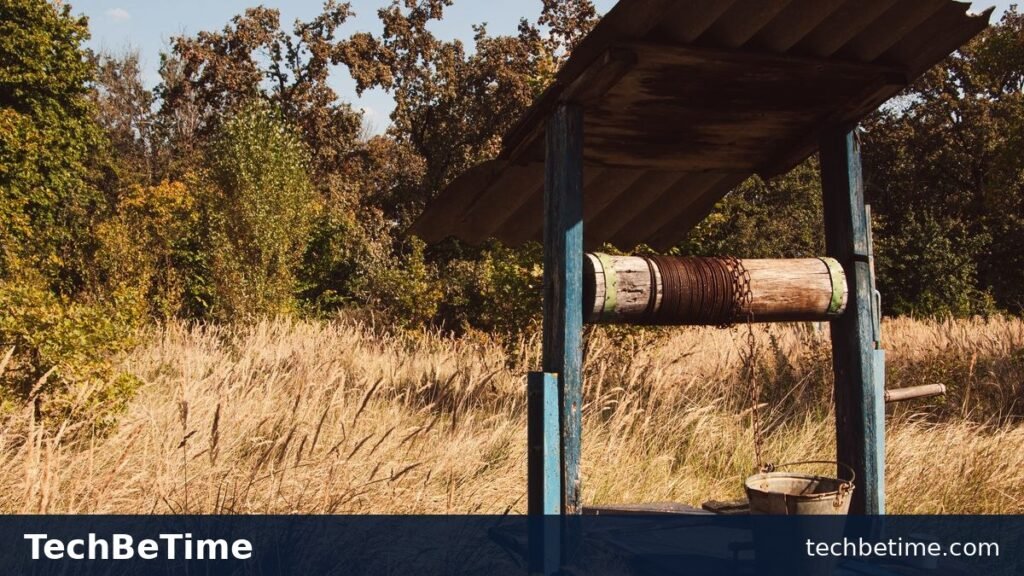
In Damon, Texas, a private well can support far more than a kitchen faucet. It may supply a home, livestock area, garden, irrigation line, workshop, or small business. That makes routine care important, especially when seasonal rain, heavy use, construction, or changing property needs put added pressure on a well system. For property owners seeking practical help with water well maintenance Damon, TX Chaffin Water Wells provides drilling, repair, inspection, and maintenance services for residential, agricultural, commercial, and public-supply wells. Based in Damon and serving nearby areas including Fort Bend, Wharton, Matagorda, and Brazoria counties, the company brings more than four decades of experience with local well and groundwater needs.
Why Private Well Care Matters
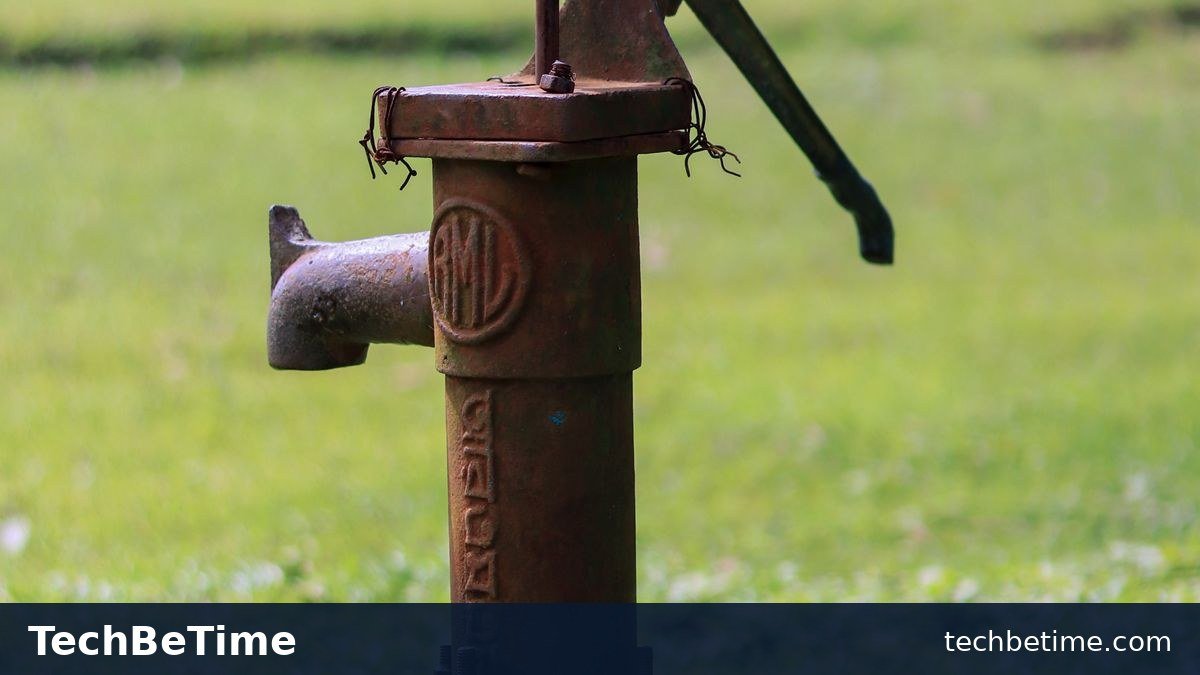
Municipal water systems are regularly monitored and treated by the utility. A private well is different. The owner must pay attention to water quality, equipment condition, drainage, and nearby activities that could affect the supply. Clear water may still contain contaminants that cannot be seen, smelled, or tasted. On a rural Damon property, one aging pump may serve the household in the morning, fill stock tanks during the day, and support irrigation later in the afternoon. If the pump, pressure system, or water quality changes, the disruption can reach every part of daily life. Preventive maintenance helps turn a surprise failure into an issue that can be addressed earlier.
Build a Simple Well Maintenance Calendar
A useful plan does not need to be complicated. Once a month, walk around the well area and look at the casing, cap, visible piping, electrical connections, pressure tank, and any treatment equipment. Note damp ground, leaks, damaged insulation, unusual noises, or changes in water pressure. Before periods of heavy rain, summer heat, or increased irrigation, review the system again. Keep a folder or digital record of water tests, repairs, disinfection, pump replacements, filter changes, and service visits. Those records give a technician helpful context if a problem develops.
Test Water at the Right Time
At least once each year, test for total coliform bacteria, nitrates, total dissolved solids, and pH. The CDC’s well water testing guidelines also recommend contacting a local health department to identify contaminants that may be relevant to the area and using a state-certified laboratory. Arrange additional testing after flooding, a well repair, pump replacement, nearby land disturbance, or a change in taste, odor, color, or clarity. Testing is also sensible when a household includes a new baby, a pregnant person, or someone with greater health vulnerability. Do not assume that a filter or softener eliminates the need for laboratory testing.
Inspect the Wellhead and Surrounding Ground
The wellhead is a first line of defense against surface contamination. Check that the cap is secure and that the casing, seals, and exposed components are not cracked, corroded, loose, or damaged. Look for insects, animal activity, soil erosion, standing water, and anything that could allow water to collect at the well. Ground around the well should slope so rainfall and runoff drain away from the casing. Keep fuel, pesticides, fertilizers, livestock waste, paint, solvents, and other stored chemicals away from the area. The EPA’s guidance on protecting a home’s private well water also emphasizes keeping pollutants away from the well and inspecting exposed equipment regularly.
Watch for Pump and Pressure Problems
Small performance changes deserve attention. Common warning signs include:
- Low, uneven, or fading water pressure.
- A pump that cycles on and off more often than usual.
- Air sputtering from faucets.
- New noises near the pump or pressure tank.
- Rust-colored water, sediment, or cloudy water.
- Water that stops or weakens during periods of high demand.
These symptoms can have several causes, including leaks, clogged components, electrical faults, pressure tank issues, or changing well performance. Avoid treating one symptom as a certain diagnosis. A qualified inspection can identify the source of the problem without unnecessary repairs.
When Professional Maintenance Makes Sense
Owners can safely perform visual checks, replace filters according to manufacturer instructions, and keep the site clean. Electrical controls, pressure switches, pumps, wiring, well disinfection, and structural repairs are different. Opening or adjusting these components without the right training can create safety risks or cause further damage. Professional help is especially appropriate for sudden water loss, suspected contamination, damaged casing or caps, repeated low pressure, abnormal cycling, pump replacement, flow testing, and water treatment decisions. A service visit can also confirm whether an older system still matches the property’s present demand.
Protect the Well After Storms, Flooding, and Drought
Floodwater can carry contaminants into a vulnerable well system. If flooding reaches the well area or contamination is suspected, avoid using the water for drinking or cooking until appropriate inspection and testing are complete. Do not approach electrical equipment in standing water. Contact local health or environmental officials and a qualified well professional for event-specific guidance. Drought and heavy pumping can create a different concern. Reduced water levels, longer pump run times, and high-demand irrigation periods may strain the system. Spread out water-intensive tasks when possible, watch pressure closely, and reassess demand after adding a barn, living space, livestock operation, or irrigation zone.
Match Maintenance to Actual Water Needs
A household well may need steady pressure for bathing, laundry, and cooking. A ranch may also need reliable stock-water delivery. Farms and irrigation systems may require greater flow, different storage planning, and close attention during peak use. Commercial or public-supply systems can involve additional design, operational, and regulatory considerations. Review when water use peaks. If the system was installed before a property expansion, its pump and pressure tank may no longer be sized for current needs. A performance review is often more useful than waiting for repeated pressure loss or equipment failure.
Keep Treatment Equipment Working
Common treatment equipment includes sediment filters, softeners, carbon filters, ultraviolet systems, and reverse osmosis units. Each has a specific purpose and maintenance schedule. A neglected filter can restrict flow, while poorly maintained equipment may not perform as intended. Replace cartridges, add salt, clean components, and service ultraviolet lamps according to the equipment manufacturer’s directions. Most importantly, choose treatment based on confirmed test results rather than guesswork. The right solution depends on the actual contaminant or water-quality condition.
Questions to Ask During a Well Inspection
- When was the last water-quality test completed, and what did it show?
- How old are the pump, pressure tank, wiring, and treatment components?
- Has the well experienced low flow, air sputtering, or inconsistent pressure?
- Have water needs changed since the system was installed?
- Are septic systems, livestock areas, fuel tanks, or chemical storage located nearby?
- What repair, drilling, testing, or disinfection records are available?
- Which symptoms should prompt an urgent service call?
A Practical Annual Checklist
- Spring: Inspect drainage, casing, and the wellhead after storms.
- Summer: Monitor pressure, pump cycling, and flow during high water use.
- Fall: Schedule annual testing and review filters or treatment equipment.
- Winter: Protect exposed pipes and outdoor plumbing from freezing weather.
- Anytime: Test water after changes in its taste, odor, color, or appearance.
Conclusion
Reliable private well water in Damon begins with repeatable habits. Annual testing, clean drainage, careful recordkeeping, routine inspections, and timely repairs help protect the water supply that rural homes, farms, ranches, and businesses depend on. Catching a concern early is often the best way to reduce disruption. Keeping up with these habits helps keep the system ready for the next season.
Frequently Asked Questions
Q: How often should well water be tested?
A: Annual testing is a practical baseline, with additional testing after repairs, flooding, nearby construction, or noticeable water-quality changes.
Q: What can low water pressure mean?
A: Low pressure may be connected to a leak, clogged filter, pressure tank problem, pump concern, plumbing issue, or reduced well performance. An inspection is needed to determine the actual cause.
Q: When should a property owner call a professional?
A: Call when water stops unexpectedly, pressure changes suddenly, electrical components appear damaged, the wellhead is compromised, flooding affects the area, or testing raises a contamination concern.