Performing Manufacturing Operations: A U.S. Guide
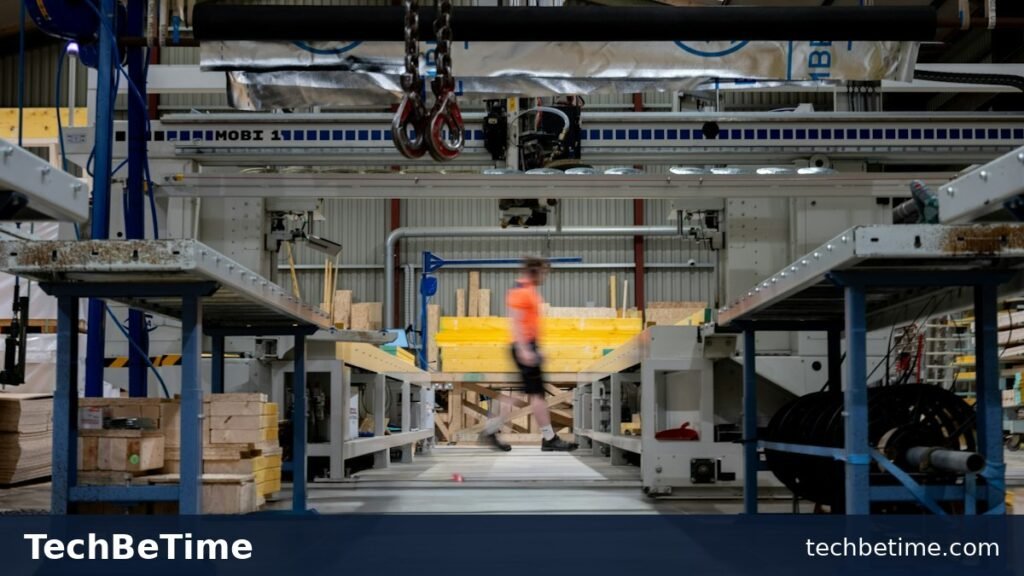
Performing manufacturing operations means carrying out the day-to-day tasks that turn raw materials into finished products. In the United States, factory workers, machine operators, and assemblers perform these operations every day in food, auto, electronics, and medical device plants.
This guide explains what performing manufacturing operations involves, which skills it needs, and how U.S. workers stay safe and productive. It also covers training, quality checks, and career paths for beginners.
What Performing Manufacturing Operations Means
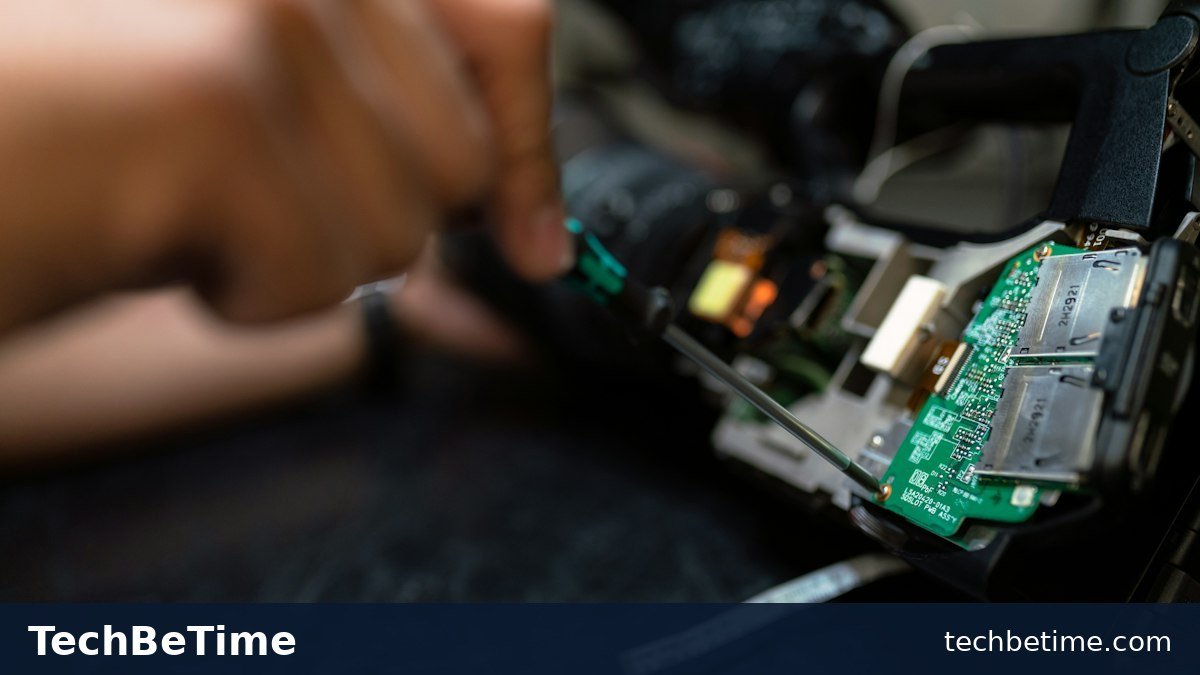
Performing manufacturing operations covers a wide range of tasks. Workers set up machines, load materials, run production lines, check quality, and pack finished goods. In addition, they record data, report problems, and follow work instructions.
The exact tasks depend on the product and the plant. For example, a food plant worker may focus on hygiene and batch records, while an auto parts worker may focus on machine settings and measurements. However, both roles need care, speed, and attention to detail.

Key Steps in Daily Production Work
- Read the work order first. Check the product, quantity, and deadline before you start.
- Set up and check the machine. Follow the setup sheet and test a sample piece.
- Run the line at the right pace. Keep a steady flow and watch for jams or defects.
- Check quality often. Measure parts, look for defects, and record the results.
- Report problems fast. Tell a supervisor at once if a machine stops or a part fails.
Good operators also keep their work area clean and organized. As a result, they find tools faster, avoid accidents, and spot problems sooner.
Skills Needed for Performing Manufacturing Operations
Employers in the United States look for basic math, reading, and computer skills, plus the ability to follow instructions and work in a team. Many plants also train workers on the job, so a high school diploma and a willingness to learn are often enough to start.
Useful skills include measuring with calipers and gauges, reading drawings, and using basic hand tools. In addition, workers who learn lean methods, such as 5S and continuous improvement, often move into lead or supervisor roles.
Safety Rules for U.S. Factory Work
Safety comes first in performing manufacturing operations. Workers must wear personal protective equipment, follow lockout rules, and never bypass a machine guard. Training should cover these rules before a worker starts a new task.
The Occupational Safety and Health Administration sets U.S. workplace safety rules, and the National Institute of Standards and Technology Manufacturing Extension Partnership helps small U.S. manufacturers improve quality and productivity. The U.S. Bureau of Labor Statistics also publishes pay and job outlook data for production workers.
To learn more about business and technology in U.S. workplaces, see our guides to Performing Engineering Operations and the best electrical repair companies in Fort Smith, AR, and our article on the Dynamic Network Factory. Performing manufacturing operations rewards the same habits: clear steps, careful checks, and steady improvement.
Conclusion
Performing manufacturing operations means carrying out the day-to-day tasks that turn raw materials into finished products in U.S. plants, including food, auto, electronics, and medical device plants. Workers set up machines, load materials, run equipment, inspect products, and keep records, and they need basic math, reading, and computer skills, as well as measuring, reading drawings, and using basic hand tools. Safety comes first, and workers must wear personal protective equipment and follow the rules set by the Occupational Safety and Health Administration. Good operators keep their work area clean and organized, check quality often, and report problems fast, so they stay safe and productive.
Frequently Asked Questions
What is performing manufacturing operations? It means carrying out the day-to-day tasks that turn raw materials into finished products, and in the United States factory workers, machine operators, and assemblers perform these tasks every day.
What skills are needed for performing manufacturing operations? Employers look for basic math, reading, and computer skills, plus measuring with calipers and gauges, reading drawings, and using basic hand tools.
What are the key steps in daily production work? Read the work order first, set up and check the machine, run the line at the right pace, check quality often, and report problems fast.
What safety rules apply in U.S. factory work? Safety comes first. Workers must wear personal protective equipment, follow lockout rules, and never bypass a machine guard, and training should cover these rules before a worker starts a new task.