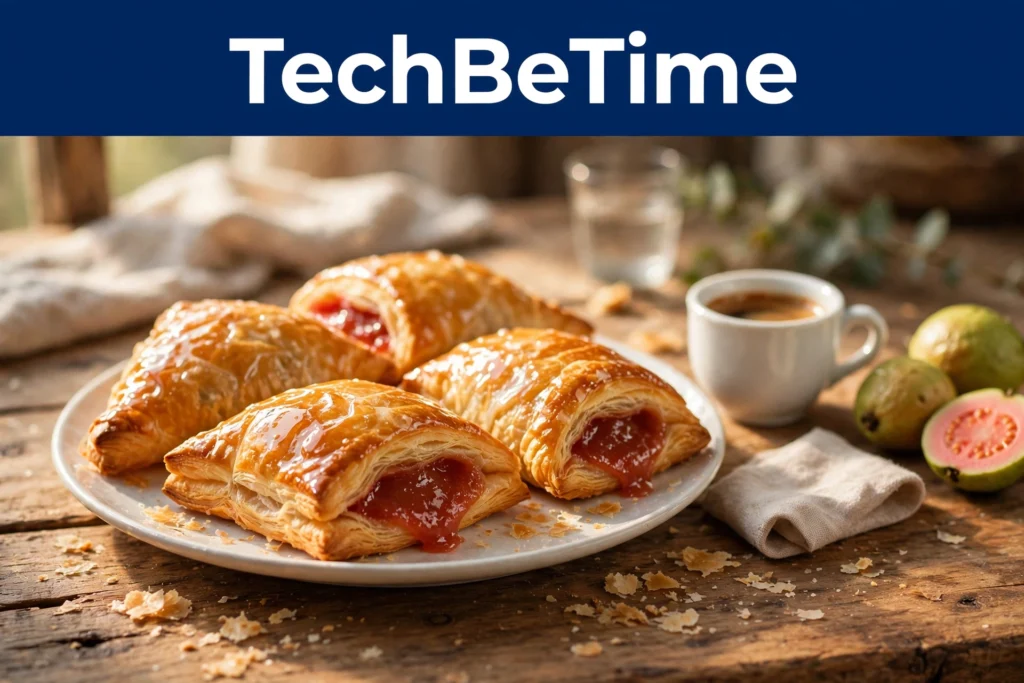
Walk into a Cuban bakery in Miami at seven in the morning and the trays are already half empty. The pastelitos de guayaba go first — golden, flaky, still warm from the oven. If you have ever typed “best pastelitos de guayaba near me” into your phone, you are chasing that same moment: a pastry that shatters when you bite it, with sweet-tart guava melting inside.
This guide explains what they are, how to spot a great one, where to find them near you, and how to order like a regular.
1. What Are Pastelitos de Guayaba?
Pastelitos de guayaba are Cuban guava pastries — small, hand-held turnovers made from hojaldre (puff pastry), filled with guava paste and baked until crisp and golden. Pastelito means “little pastry”: the single-serving version of a full-size pastel, eaten standing at the counter.
The heart of the pastry is guava paste (pasta de guayaba): guava pulp cooked down with sugar into a firm, sliceable block. The flavour is sweet and tangy, lightly floral, somewhere between strawberry and pear — and baking makes it bold and jammy.
Pastelitos originated in Cuba, where Havana bakeries sold them filled with guava, cheese, coconut, meat or custard, and Cuban families brought the habit to South Florida after 1959.
2. Guayaba vs. Guayaba y Queso: Which One Should You Order?
Most bakeries offer two versions, and the difference matters:
- Pastelitos de guayaba (guava only): pure guava paste inside the pastry. The filling goes soft and jammy in the oven, and the flavour is all fruit — bright, sweet and a little tart.
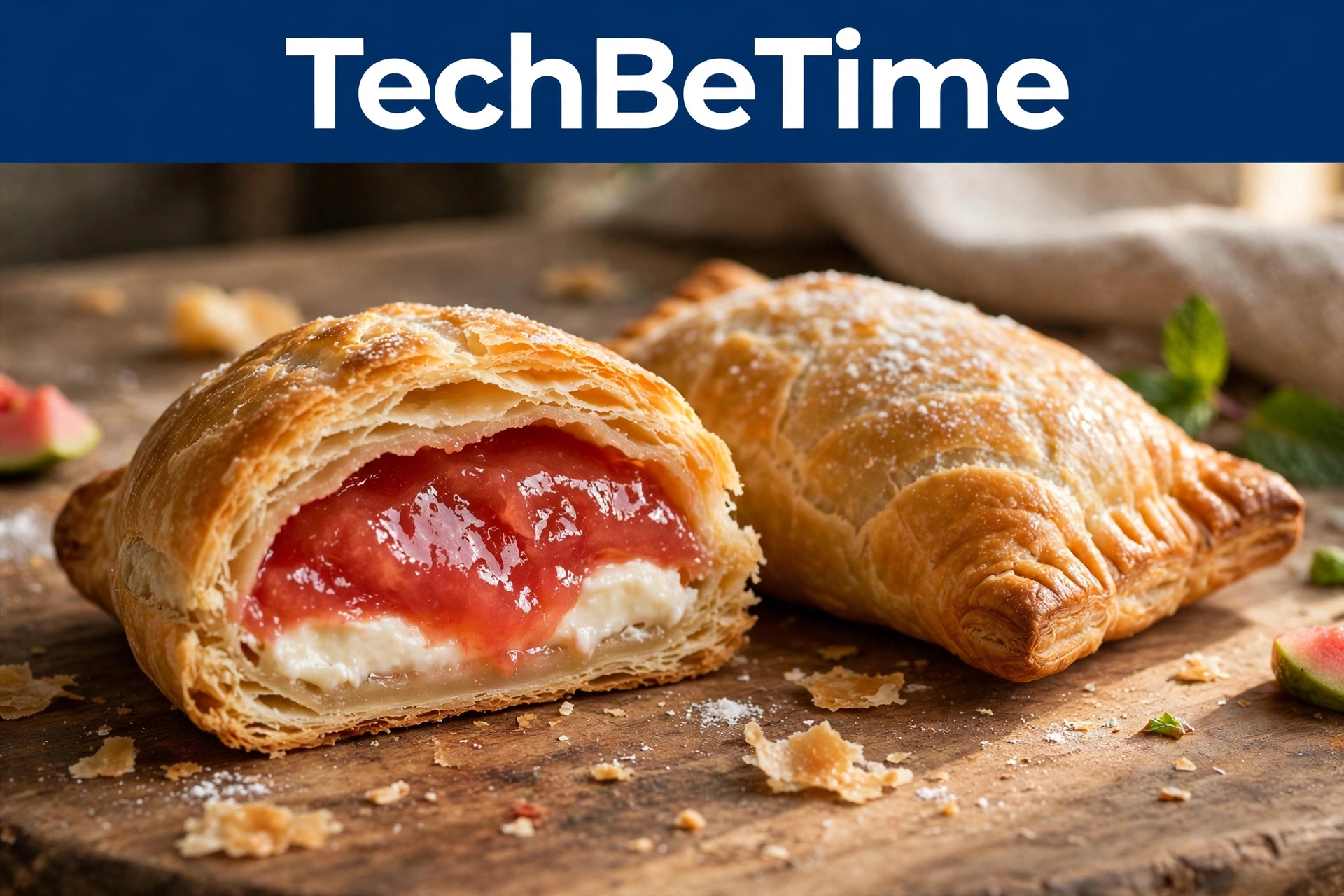
- Pastelitos de guayaba y queso (guava and cream cheese): guava paste layered with lightly sweetened cream cheese, which turns rich and almost cheesecake-like when warm. The best seller in most bakeries.
There is even a traditional code: in her book Paladares, Anya von Bremzen describes the Havana system the famous Versailles bakery in Miami still follows — triangles are guava and cheese, rectangles are guava only. Not every bakery follows it, but it is a good guess when you see both shapes.
If you are trying pastelitos for the first time, order one of each — together they tell you everything about the shop in two bites.
3. What Makes a Great Pastelito de Guayaba?
A great pastelito succeeds or fails on the pastry — here is what to check:
- The shatter test. Properly made puff pastry should flake audibly when you bite it and leave crumbs on the plate. If the pastry is soft, dense or soggy underneath, it was underbaked or has been sitting too long.
- Visible layers. A good pastelito shows distinct, paper-thin layers at the edges, golden brown on top and crisp all the way through.
- A generous filling. The guava should be easy to see and taste in every bite — a thin smear inside a lot of pastry is a mark against the bakery.
- The right sweetness. The guava paste is tart under its sugar, the cream cheese is only lightly sweetened, and the pastry itself is plain and buttery. A thin sugar-syrup glaze on top adds shine — but the whole thing should never taste cloying.
- Warmth. A pastelito eaten within an hour of baking beats one that has sat under a display light all afternoon.
If the pastry bends instead of breaking, or the filling is barely there, try the next bakery on your list.
4. Where to Find the Best Pastelitos de Guayaba Near You
The best pastelitos live in a few specific places:
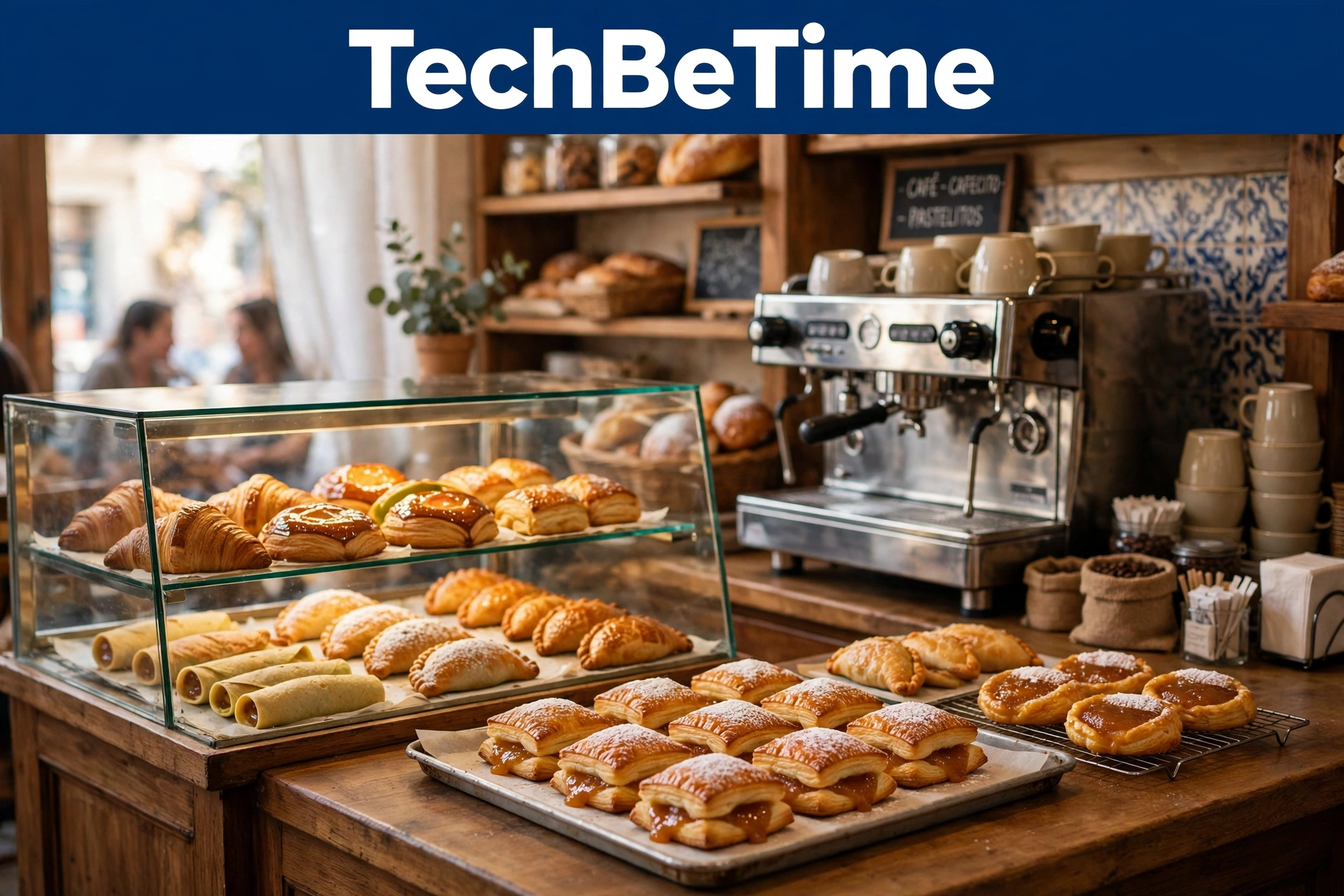
- Cuban bakeries and panaderías. By far the best option — pastelitos made fresh daily, often still warm.
- Cuban cafes and ventanitas. The walk-up coffee windows are a Miami institution: a pastelito and a cortadito is the standard order.
- Cuban restaurants. Most offer them as dessert.
- Latin American bakeries more broadly. Guava pastries appear across Caribbean and Latin traditions — in Puerto Rico they are called pastelillos de guayaba.
- Supermarket bakery sections. In Florida, even supermarket bakeries such as Publix carry them — a decent fallback.
Florida is the heartland: published guides point to El Brazo Fuerte Bakery in Miami, La Segunda Bakery in Tampa, Cubanela Latin Bakery in Orlando, Vicky Bakery in Palm Beach Gardens, and the legendary Versailles on Calle Ocho in Miami. Outside Florida, look for Cuban or Dominican bakeries in your city and check their reviews for the words “guava” and “pastelito” before you go.
One honest note: there is no single “best” bakery for every reader — the best one is the one near you that bakes them fresh. The names above are well-reviewed examples, not a ranking, and hours and menus change, so check before you go.
5. How to Search Like a Local and Spot the Best Bakery
Typing “best pastelitos de guayaba near me” is only the start. Here is how to turn a list of search results into a genuinely good pastry:
- Read the reviews for the right words. Look for “flaky”, “fresh”, “warm”, “guava and cheese” and “cafecito” in recent reviews. A bakery with dozens of reviews mentioning the pastelitos specifically is a much better bet than one where they are an afterthought.
- Check the photos. Real customer photos tell you more than a menu: look for golden, layered pastries, not pale, flat ones.
- Go in the morning. Bakeries produce pastelitos in batches through the morning, and the first trays are the best — the popular ones sell out early.
- Ask what just came out of the oven. Bakers who take pride in turnover will tell you which tray is newest — buy from that one.
- Judge the whole case, not one pastry. A bakery that also does good Cuban bread, croquetas and empanadas is far more likely to do good pastelitos — the same habit that helps when comparing local businesses near you for any service.
- Call ahead for large orders. If you need a box for the office or an event, call ahead — many bakeries prepare bigger boxes to order, especially on weekends.
6. Prices, Hours and Freshness: What to Expect
A single pastelito usually costs just a few dollars; a box for the office stays affordable too, often one to ten dollars per person. Prices vary by city and bakery.
Hours are built around the morning: most open at 5:30 or 6:00 AM and close by mid-afternoon, and Sundays are often shorter at family shops — check before a Sunday trip.
Freshness fades fast: best warm, within an hour of baking; good at room temperature the same morning; avoid refrigerated pastelitos — the cold firms the pastry and stiffens the guava. Eat them the same day, and reheat leftovers in a warm oven, not the microwave.
7. How They Are Made — and How to Make Them at Home
A traditional pastelito needs only a handful of ingredients: puff pastry (store-bought frozen sheets work well), guava paste (Latin section of the supermarket; Iberia, Goya and Conchita are common brands), cream cheese for the guayaba y queso version, plus egg wash and coarse sugar for the golden top.
Slice the guava paste thin, layer it with the cream cheese on squares of puff pastry, seal the edges with egg wash and a fork, brush the tops, and bake at 400°F (200°C) for about 15 to 25 minutes until puffed and deeply golden. Some recipes finish with a thin sugar-syrup glaze.
Keep the pastry cold until it goes in the oven, leave a clear border so the filling does not leak, and let them cool for five minutes before eating — the guava inside gets extremely hot.
8. How to Eat Them: Pairings, Storage and Leftovers
Pastelitos are at their best with Cuban coffee: a cafecito (a tiny, intensely sweet shot) or a cortadito (espresso cut with steamed milk). The strong coffee cuts the sweetness of the guava and the richness of the pastry.
In Cuban homes they are a breakfast pastry, but nobody will judge you for eating one at 3 PM. For a crowd, a mixed box — half guayaba, half guayaba y queso — lets everyone find a favourite. Keep them at room temperature in a paper bag for the day; sealed plastic traps moisture and softens the pastry.
Final thoughts
The search for the best pastelitos de guayaba near you is really a search for a good bakery — one that bakes them fresh in the morning, uses real puff pastry, and is generous with the guava. Go early, order one guayaba and one guayaba y queso, eat them warm with a cafecito, and judge the shop by the shatter of the pastry. More local guides like this one live on TechBeTime.
FAQ
What are pastelitos de guayaba?
Pastelitos de guayaba are Cuban guava pastries: flaky puff pastry filled with guava paste, usually baked until golden and brushed with a thin sugar glaze. The most popular version, pastelitos de guayaba y queso, adds lightly sweetened cream cheese.
What is the difference between guayaba and guayaba y queso?
Guayaba means guava paste only — pure fruit flavour, sweet and a little tart. Guayaba y queso adds cream cheese, rich and cheesecake-like when warm. In many traditional bakeries, triangles are guava and cheese while rectangles are guava only.
Where can I find the best pastelitos de guayaba near me?
Start with Cuban bakeries and panaderías, then Cuban cafes and ventanitas, Cuban restaurants and Latin bakeries. Florida has the most famous shops, but Cuban and Dominican bakeries in most large US cities make them too — go in the morning, when they are freshest.
How much do pastelitos de guayaba cost?
A single pastelito usually costs just a few dollars, and a box for sharing stays affordable — roughly one to ten dollars per person depending on how many you buy. Prices vary by city and bakery.
Can I make pastelitos de guayaba at home?
Yes — they are one of the easiest Cuban pastries to make. You need store-bought puff pastry, guava paste, cream cheese, egg and sugar. Fill, seal, brush with egg wash and bake at 400°F (200°C) for 15 to 25 minutes, then cool for five minutes.