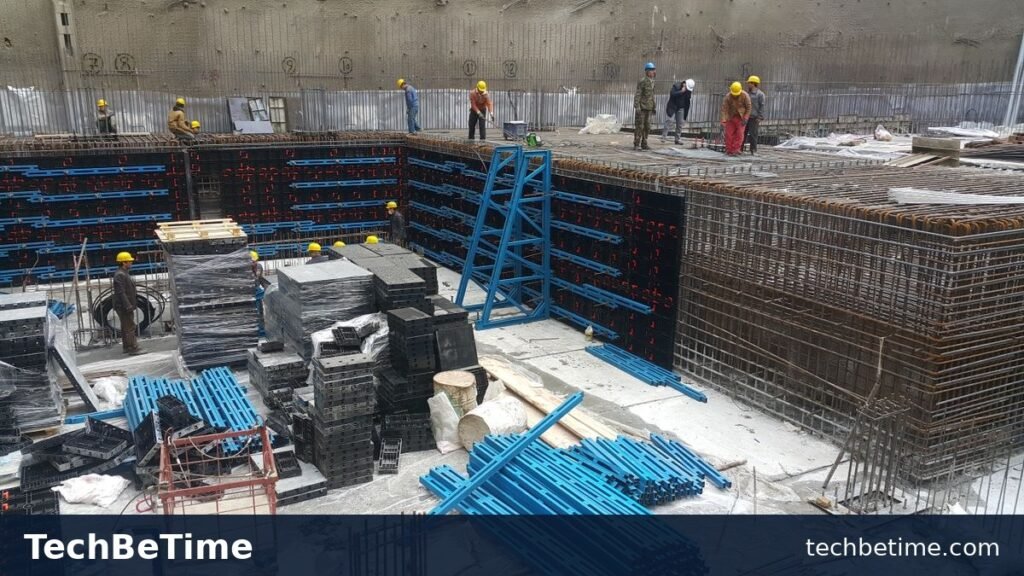
Shuttering and shuttering is a repeated phrase that points to one idea: formwork in building work. This guide explains what formwork is, the types used in the United States, and how crews use it safely.
Formwork holds wet concrete in shape until it sets. Without it, walls, beams, and slabs would spread and lose form. As a result, it is a core step in most concrete building work.
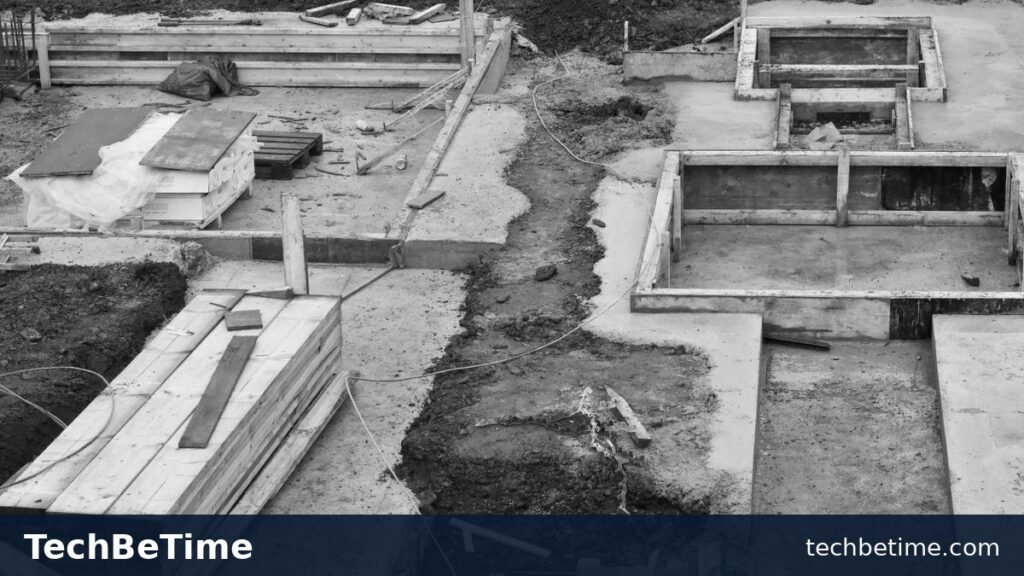
Shuttering and Shuttering: What Is Formwork?
Formwork is a temporary mold for concrete. Workers build it from wood, steel, aluminum, or plastic. They pour concrete into the mold, let it set, and then remove the panels. The concrete keeps the shape of the mold.
The phrase at the top of this guide may look odd. It is the same word twice. In this guide, we use the full phrase for the search term, and we use formwork for the craft itself. For a plain overview, see the formwork article on Wikipedia.
Shuttering and Shuttering: Main Types
- Timber formwork: cheap, easy to cut, good for small jobs
- Steel formwork: strong, reusable, and good for large jobs
- Aluminum formwork: light, fast to set up, and easy to handle
- Plastic formwork: light, water-proof, and good for repeat shapes
- Fabric formwork: used for curved or special shapes
Timber is common for homes and small walls. Steel is common for high-rise work and bridges. In addition, many US crews mix types to fit the shape and the budget.
How Formwork Works Step by Step
- Read the plans and mark the shape on site
- Build the panels and brace them well
- Check that the mold is level, plumb, and tight
- Place steel bars inside if the design calls for them
- Pour concrete in layers and vibrate it to remove air
- Let the concrete cure for the time the engineer sets
- Remove the panels in a safe order
Timing matters. If you remove panels too soon, the concrete can crack or sag. If you wait too long, the job slows down. For example, a beam needs more cure time than a thin slab.
Shuttering and Shuttering Safety Rules
This work can be risky. Panels are heavy, and wet concrete is a live load. Crews must brace panels, check loads, and wear hard hats, gloves, and eye gear. The Occupational Safety and Health Administration (OSHA) sets US rules for concrete and masonry work.
- Brace every panel before you pour
- Never stand under a panel while it is lifted
- Check for weak soil or a weak base first
- Keep tools and people clear of the pour zone
- Follow the engineer plan for removal time
For design standards, the American Concrete Institute (ACI) shares guides for formwork and concrete work. Use those guides with your local building code.
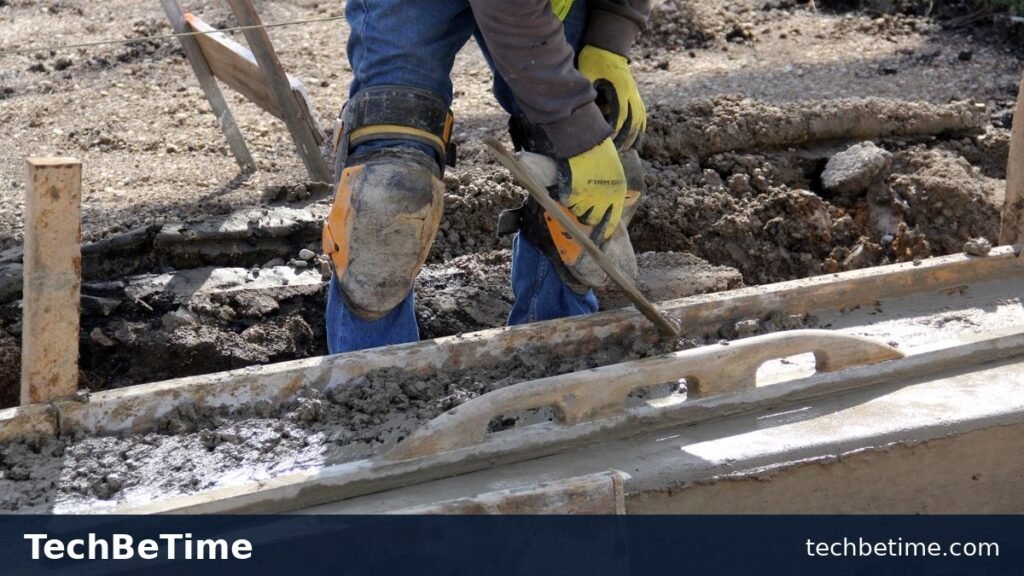
Costs to Expect for Formwork
Cost depends on the type, the size, and the number of reuses. Timber is cheap to buy but lasts for few uses. Steel costs more up front but can be used many times. Labor is often the largest cost, since skilled crews set and strike the panels.
Get at least two quotes for a large job. Ask each firm to list the panel type, the brace plan, and the removal time. In addition, ask who is liable if a panel fails.
Formwork vs. Window Shutters: Do Not Mix Them Up
Formwork in building work is not the same as window shutters. Window shutters cover a window for shade or storm care. Formwork holds concrete. The words share a root, but the jobs are very different.
Frequently Asked Questions About Shuttering and Shuttering
How long does formwork stay in place?
It depends on the mix, the weather, and the part. Slabs may need a few days. Beams and columns may need longer. Follow the engineer plan, not a guess.
Can I reuse formwork panels?
Yes, if they are clean and undamaged. Steel and aluminum panels last for many uses. Timber panels last for fewer uses and need more care.
Who designs formwork?
An engineer or a skilled formwork firm designs it. The design must hold the weight of wet concrete and the force of the pour. Never guess the brace plan.
Formwork comes down to one craft: a safe mold that shapes concrete well. Plan it, brace it, and remove it on time. For more plain guides, visit TechBeTime and browse our General section.