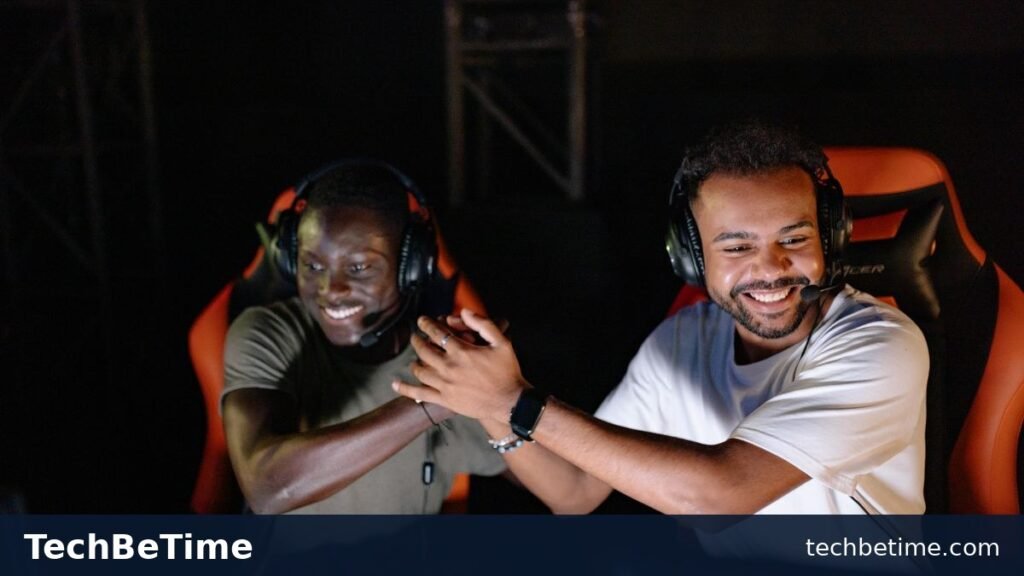
Partnership gaming is a simple idea with many different forms. In short, it means that a game, a gamer, a team, or a brand works with another party to reach more people, earn income, or build trust. For example, a streamer may partner with a game studio, while a studio may partner with a hardware brand. As a result, both sides share an audience, a product, or a goal. This guide explains partnership gaming in plain terms, how it works, and what to check before you join one.
First, it helps to separate the idea from a normal advert. A one-off advert ends after a single post or video. In contrast, partnership gaming usually lasts longer, and it often involves shared plans, regular content, and clear terms. Next, we look at the main parts of that kind of deal.
What Is Partnership Gaming?
Partnership gaming means a formal or informal deal between two sides in the games world. One side may make a game, while the other side may play it, stream it, review it, or sell it. Together, they agree on what each side will do, how long the deal will last, and how each side will benefit.
Also, the deal can be large or small. A large studio may sign a deal with a major esports team. At the same time, a small creator may work with an indie studio to test a new game. In both cases, the goal is the same: reach the right players, and do it in a way that feels fair to the audience.
However, not every offer that uses the word partnership is a real deal. Some offers ask a creator to work for free, with no clear pay, no end date, and no support. That is why it is important to read the terms, ask questions, and check the other party before you agree.
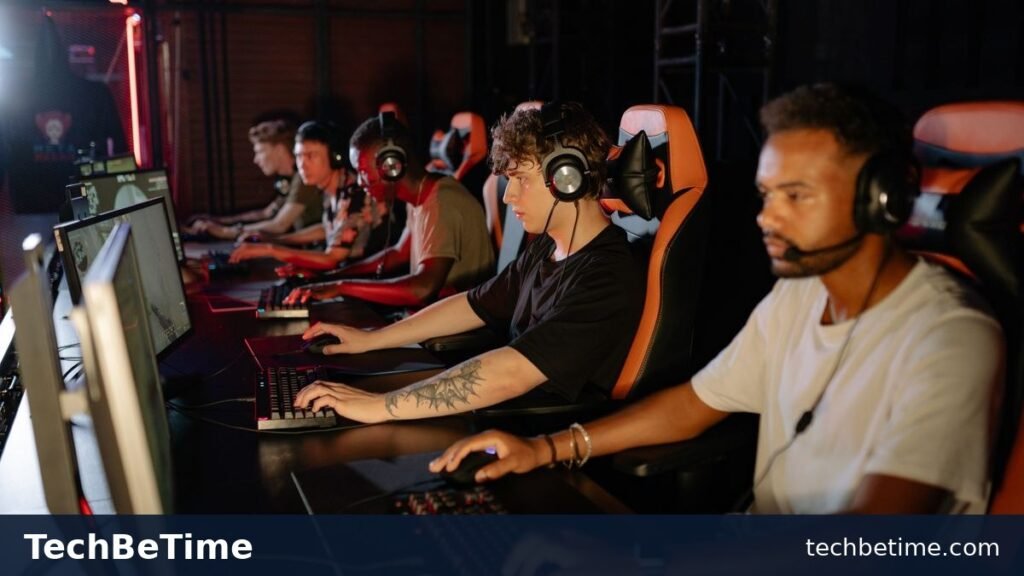
How Gaming Partnerships Work
Most gaming partnerships follow a simple path. First, one side makes contact and explains the idea. Next, both sides talk about the audience, the content, and the pay. Then they agree on the terms in writing. After that, the work starts, and both sides check the results.
For example, a partner may stream a game three times a week, add a link in the video notes, and give honest feedback to the studio. In return, the studio may pay a fee, share a code for viewers, or give early access to a new update. In short, each side gives something clear, and each side gets something clear.
Also, many platforms have their own partner programs. Twitch, for example, has a partner program for streamers who meet its rules, while YouTube has a partner program for creators. These programs are not the same as a deal with a single brand, but they show how the word partner is used in different ways. You can read the official Twitch Partners program page for its own terms, and the Entertainment Software Association site for general facts about the games industry.
Types of Gaming Partnerships
Partnership gaming covers many types of deals. The right type depends on the size of the audience, the type of game, and the goal of the work. Below are the most common types, in simple terms.
- Creator partnerships: A streamer or video maker works with a studio to show a game to viewers.
- Brand partnerships: A game or team works with a brand, such as a hardware, drink, or clothing brand, to reach new buyers.
- Esports partnerships: A team works with a sponsor, a league, or a game maker for a season or an event.
- Studio partnerships: Two studios share skills, tools, or a release plan for a game.
- Community partnerships: A game works with a fan group, a mod team, or a charity for an event or a cause.
For example, a creator deal may focus on views and sign-ups, while a brand deal may focus on sales and trust. As a result, the terms, the pay, and the way success is measured can be very different. That is why a good deal starts with a clear goal, not just a well-known name.
Benefits of Partnership Gaming
When it works well, partnership gaming helps both sides. A game can reach players who trust the partner, while a creator can earn income and get early access to new content. In addition, a brand can reach a group that is hard to reach with normal adverts.
Also, a good partner can give honest feedback. For example, a streamer may spot a problem in a game before its release, and a studio can then fix it. Next, viewers see a game that works better, and they trust the partner more. In this way, a deal can help the game, the creator, and the audience at the same time.
However, the benefit depends on fit. A game that does not suit a creator’s audience may bring few results, even if the pay is high. For that reason, it is better to check the game, the audience, and the brand before you sign, as we explain in the next sections.

Risks and What to Check Before You Join
Partnership gaming also has risks. The main risks are unclear pay, loss of trust, and rules that are hard to follow. For example, if a creator promotes a game they do not like, viewers may lose trust. In the same way, if a studio does not pay on time, a creator may lose income and time.
First, check who the other party is. Look for a real company name, a real website, and a real contact. Next, ask for the terms in writing, with the pay, the dates, and the work you must do. Also, check who owns the content, and what happens if the deal ends early.
Also, check the rules for ads and paid posts. In many places, a paid post must be clearly marked as an ad or a paid partnership. The U.S. Federal Trade Commission explains this in its Endorsement Guides, and those rules are a good place to start, even if you live in another country.
Finally, watch for warning signs. A deal that asks for money up front, asks for your password, or has no written terms is a warning sign. In that case, stop, ask for more proof, or walk away. A real partner will not rush you, and will answer clear questions.
Partnership Gaming vs Sponsorship
People often mix up partnership gaming and sponsorship, but they are not the same. A sponsorship is usually a simple deal: a brand pays for its name or logo to appear in a stream, a video, or an event. In contrast, a partnership is often wider, and it may include shared content, joint events, and long-term plans.
For example, a sponsor may pay for a logo on a team shirt. A partner, on the other hand, may help to make content, test a game, and share the launch with its own audience. As a result, a partnership takes more time, but it can also bring more value to both sides.
For more on games and the wider games world, see our guides to RevolverTech, Classroom 15X, and Dexerto on TechBeTime. In addition, our guide to scaling a business with technology explains how a small deal can grow into a larger plan.
Frequently Asked Questions
Is partnership gaming only for large streamers?
No. Small creators can also work with indie studios, local teams, and small brands. In fact, a small, loyal audience can be more useful than a large, mixed one. First, focus on trust and fit, not just size.
Do gaming partners get paid?
It depends on the deal. Some partners get a flat fee, some get a share of sales, and some get free products or early access. However, pay should be clear in writing before the work starts, with the amount, the date, and the way it will be paid.
How do I find a gaming partnership?
Start with games and brands you already use and trust. Next, build a clear record of your audience, your content, and your results. Then contact the studio or brand with a short, honest pitch, and ask for the terms in writing.
Conclusion
Partnership gaming is about working together in the games world to reach more players and build trust. It can take many forms, from a creator deal to a brand or esports deal, and it works best when the goal, the pay, and the terms are clear. So check the other party, read the terms, and mark paid posts clearly. In short, a good gaming partnership helps the game, the partner, and the audience, while a bad one can cost time and trust.